Imagine being the conductor of a grand orchestra, where each musician represents a task or project component, and instructions are the sheet music that brings harmony and cohesion to the entire performance.
Just as a skilled conductor must clearly communicate the nuances of the music to achieve a flawless execution, writers of complex task instructions must strike the right balance between clarity and detail to ensure their audience can follow along seamlessly.
But what happens when the "music" is an intricate project with multiple moving parts, and the "musicians" are team members with varying levels of expertise?
As the complexity of tasks and projects continues to grow, the need for clear and effective instructions has become a critical factor in determining success or failure.
By providing a roadmap for writers to craft instructions that are easy to follow, even the most daunting projects can be broken down into manageable, harmonious components.
Breaking down intricate processes into manageable parts is key to making complex tasks more accessible, allowing individuals to navigate through them with ease and confidence, and ultimately achieving their goals.
By doing so, it becomes possible to simplify the learning curve and reduce the frustration that often comes with tackling unfamiliar or daunting subjects.
This approach enables a more streamlined and efficient learning experience.
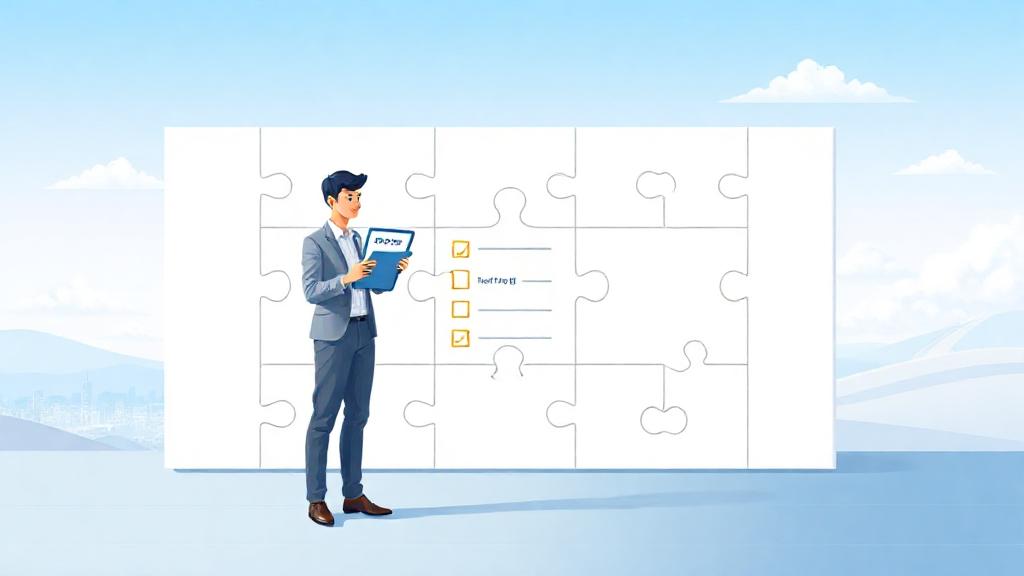
The complexity of tasks can be overwhelming, and it is crucial to break down complex projects into smaller, manageable steps to regain control and clarity.
By doing so, it is possible to identify key milestones, allocate resources more efficiently, and make steady progress towards the goal.
This approach also allows for focusing on one task at a time, reducing feelings of anxiety and increasing the sense of accomplishment.
A well-designed user experience guide can make all the difference in reducing frustration and errors for users.
The core idea behind well-crafted user experience guides is to provide users with a clear and concise understanding of how to navigate and interact with a product or service, thereby minimizing confusion and frustration.
By incorporating user-centered design principles and thorough testing, businesses can create guides that effectively address the needs and concerns of their target audience.
Developing self-service support tools is like building a compass for customers, guiding them through the vast ocean of information to find the treasure of solutions.
It all starts with creating comprehensive FAQs and knowledge bases that are meticulously crafted to address the most common questions and concerns.
These self-service tools can be likened to a skilled concierge, anticipating customers' needs and offering personalized support, available 24/7, without the need for human intervention.

To create effective educational guides, it is essential to break down complex information into manageable, easy-to-follow steps.
This approach enables users to grasp new concepts and skills efficiently, making the learning process more enjoyable and productive.
By incorporating visual aids, such as images and diagrams, guides can become even more engaging and accessible.
Crafting engaging how-to guides requires careful consideration of the target audience.
Clear instructions are key to a seamless user experience.
A well-structured guide can make all the difference — in helping users achieve their goals, it is about providing a clear roadmap.
Breaking down complex tasks into manageable steps is crucial for user success.
Contrary to popular belief, style guides are not restrictive or limiting, but rather they provide a framework for clarity and consistency.
In fact, having a well-defined style guide can actually give writers more freedom to focus on the content.
By establishing a set of standards, writers can avoid confusion and ensure that their message is conveyed effectively.
Creating effective step-by-step guides requires a thoughtful approach that incorporates actionable steps, relevant visuals, and a clear understanding of the target audience's needs and preferences.
By breaking down complex processes into manageable tasks and providing concise instructions, guide creators can help users achieve their goals more efficiently.
The inclusion of relevant visuals, such as images, videos, or infographics, can further enhance the learning experience by providing a clearer understanding of the subject matter and making the content more shareable and memorable.
The key to successful guides is simplicity and clarity.
As the intricacies of breaking down complex tasks into manageable components become clear, it becomes apparent that the art of instruction is not just about conveying information, but about empowering others to take action.
By crafting clear, step-by-step guides, it is possible to bridge the gap between intention and execution, and unlock the full potential of projects.
The next time a complicated endeavor is undertaken, remember that the key to success lies not in the complexity of the task itself, but in the clarity of the instructions that guide it.
With this mindset, the possibilities for what can be achieved become endless, and the journey towards bringing complex ideas to life becomes a little less daunting, and a lot more exciting.
Ultimately, the power to transform complexity into simplicity rests in the ability to communicate with precision and purpose.
