The leaves settle at the bottom of the cup, much like the layers of the subconscious mind, waiting to be unraveled and deciphered.
The ancient practice of tea leaf reading, also known as tasseography, has been a long-standing tradition in many cultures, including Hinduism, where it is believed to hold the secrets of the universe and the whispers of the gods.
The ancient art of tea leaf reading has been a significant part of Hindu traditions and culture for centuries, where it is believed to reveal hidden secrets and predict the future.
This practice involves interpreting the patterns and symbols formed by the tea leaves in a cup, which are thought to hold mystical meanings and messages.
The whispers of the tea leaves hold the power to unveil the mysteries of the universe and guide those who seek wisdom.
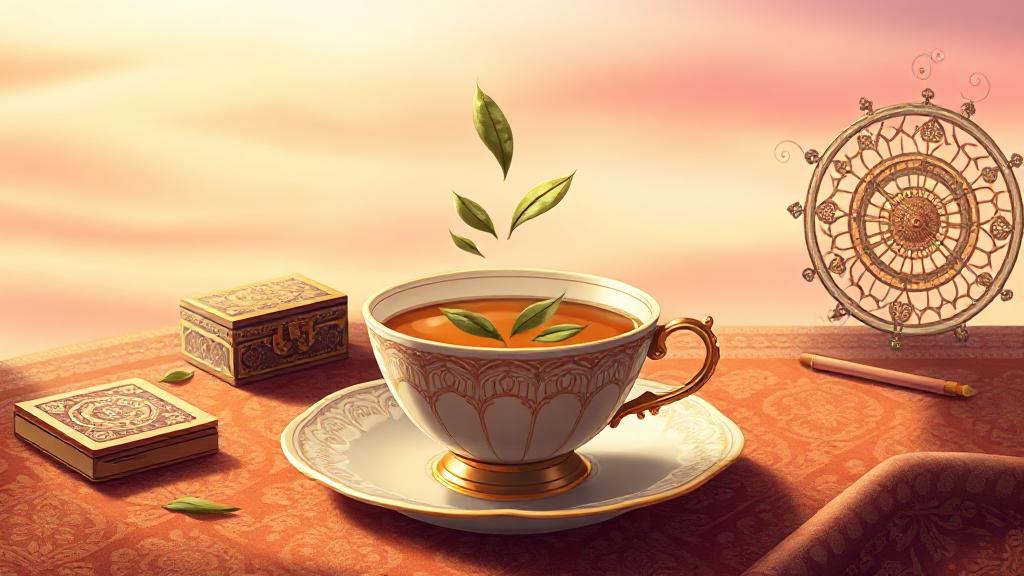
As one sits with a warm cup of tea, they may wonder about the stories the leaves at the bottom might tell.
The practice of reading tea leaves has been a part of Indian divination and fortune-telling for centuries.
It is believed that the shapes and patterns formed by the tea leaves can reveal information about a person's past, present, and future, offering a unique glimpse into their destiny.
In Hindu astrology and folk traditions, the art of reading tea leaves is rooted in the idea that the patterns and shapes formed by the leaves can reveal information about a person's past, present, and future.
By deciphering these patterns, practitioners of Hindu astrology and folk traditions believe that individuals can gain a deeper understanding of themselves and the world around them.
The symbolism of tea leaves is complex and multifaceted, with different shapes and patterns corresponding to various aspects of life, such as relationships, career, and spiritual growth.
The ancient art of tea leaf reading has been a staple of Eastern cultures for centuries, weaving a intricate tapestry of symbolism and mysticism that echoes the divine tales of Hindu mythology.
The connection between tea leaf reading and Hindu gods like Krishna and Goddess Lakshmi is a testament to the profound influence of Eastern spirituality on the art of divination.
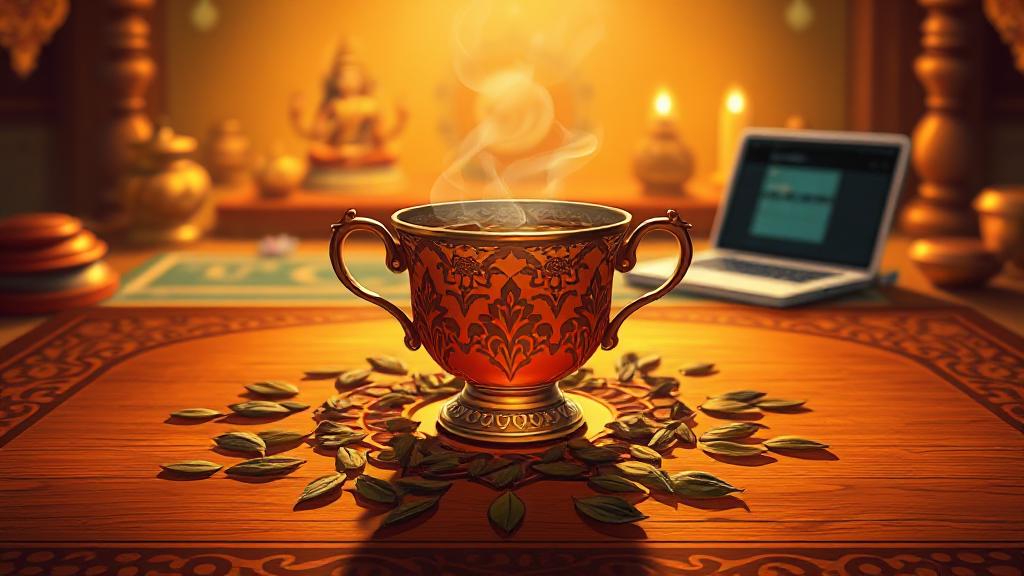
The practice of tea leaf reading has been an integral part of Hindu traditions for centuries, offering insights into an individual's past, present, and future.
This ancient form of divination involves interpreting the patterns and shapes formed by tea leaves in a cup, which are believed to hold symbolic meanings.
Uncovering the mystical world of tea leaf reading through ancient Hindu scriptures can provide valuable insights into the art of divination.
Tasseography is an ancient form of divination that involves reading tea leaves or coffee grounds.
The art of interpreting these symbols is rooted in the idea that every person has a unique energy signature, which can be influenced by various factors, including astrological signs and planetary positions.
Reading tea leaves is not just a form of entertainment, but a complex process that requires skill and practice.
The placement of symbols in the cup can reveal a great deal about a person's personality, strengths, and weaknesses.
Practicing tea leaf reading is an ancient form of divination that has been used for centuries in various cultures, including Hindu spirituality and philosophy, as a means of tapping into one's intuition and gaining a deeper understanding of oneself and the world.
This practice involves interpreting the patterns and shapes formed by tea leaves in a cup, which are believed to hold symbolic meanings and messages from the subconscious mind.
As we finish the last drop, the leaves settle, leaving behind a haunting question: what secrets will the next cup reveal, and what mysteries will unfold, like the petals of a lotus flower, in the realm of the unknown?
