As the vibrant city-state of Singapore continues to soar to new heights, the demand for skilled airline pilots has never been more pressing, with the country's aviation industry expected to grow exponentially in the coming years.
Just like a master chef requires the perfect recipe to create a culinary masterpiece, an aspiring airline pilot needs the right ingredients, including a Commercial Pilot Licence (CPL), to navigate the complexities of the skies.
With the CPL being the golden ticket to a successful aviation career, it's no wonder that many young and ambitious individuals in Singapore are eager to take to the skies and pursue their dreams.
But what does it take to obtain this coveted licence, and why is it so crucial for those seeking to join the ranks of Singapore's elite airline pilots?
As the aviation industry continues to evolve, one thing is certain - a CPL is the key to unlocking a world of opportunities in the skies.
Becoming a commercial airline pilot in Singapore is a highly competitive and challenging career path that demands rigorous training and adherence to strict licence requirements, as outlined by the Civil Aviation Authority of Singapore (CAAS).
The licensing process involves a series of theoretical and practical examinations, as well as a minimum number of flight hours, to ensure that pilots possess the necessary skills and knowledge to operate safely and efficiently.
Aspiring pilots must also undergo regular medical checks and proficiency tests to maintain their licences.
The road to earning a commercial pilot's licence is long and arduous, with countless hours of study, training, and dedication required to succeed.
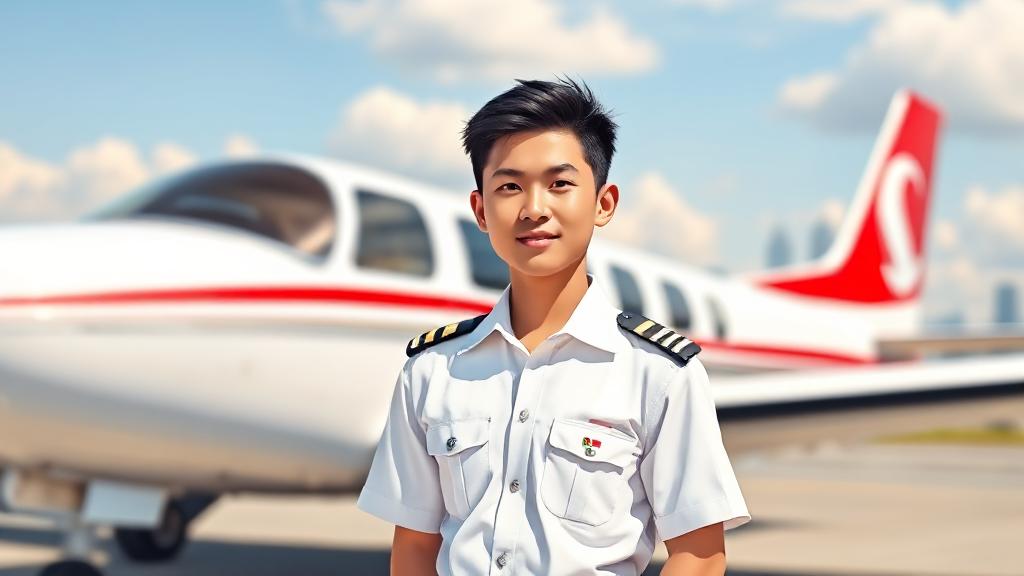
As you consider a career in aviation, you may be wondering about the requirements to join the Singapore Youth Flying Club's courses.
The Singapore Youth Flying Club has specific eligibility criteria for its commercial pilot licence courses, including age, education, and medical requirements.
To be eligible, you must be at least 18 years old and have a minimum of 4 GCE 'O' level passes, including English, Mathematics, and a Science subject.
You will also need to pass a medical examination by a Civil Aviation Authority of Singapore (CAAS)-approved medical examiner.
You're one step closer to realizing your aviation dreams, and with the right guidance, you can successfully meet the eligibility criteria and join the Singapore Youth Flying Club's courses.
As a young and ambitious pilot, one always dreams of soaring through the skies, and finally gets the chance when they enroll in the Singapore Youth Flying Club (SYFC) Flying Course Programme, which offers a comprehensive syllabus and rigorous training period that equips them with the skills and knowledge necessary to become a proficient pilot.
The training period is intense, with both theoretical and practical sessions that push them to their limits, but the sense of accomplishment they feel after each flight is exhilarating.
The SYFC Flying Course Programme is designed to be completed within a specific training period, typically ranging from several months to a year, depending on the individual's progress and the programme's requirements.
During this time, students undergo rigorous training, including ground school, flight simulations, and actual flight training, all of which are carefully structured to ensure a comprehensive understanding of aviation principles and practices.
The syllabus for the SYFC Flying Course Programme is carefully crafted to cover all aspects of aviation, from aircraft systems and weather to navigation and communication, providing students with a thorough understanding of the subject matter.
By the end of the training period, students are well-prepared to sit for their licensing exams and begin their careers as pilots, whether in commercial aviation, private flying, or other related fields.
So, if you're ready to take to the skies and embark on an exciting career in aviation — with its many challenges and rewards — remember: a well-structured syllabus and training period are essential to your success, and the SYFC Flying Course Programme is an excellent place to start — with its proven track record, expert instructors, and comprehensive curriculum — you'll be flying high in no time, with the skills, knowledge, and confidence to soar to great heights — and make your dreams a reality.
The Singapore Airlines Ab Initio Cadet Pilot Programme is a comprehensive training programme designed to equip aspiring pilots with the necessary skills and knowledge to become a successful pilot.
This programme is a launchpad for individuals to take off into the world of aviation, with a curriculum that covers both theoretical and practical aspects of flying, from the fundamentals of aircraft systems to the intricacies of navigation and communication.
As cadets progress through the programme, they will be mentored by experienced instructors who will guide them through simulated flights, handling emergency situations, and developing critical thinking skills.
The programme also focuses on developing the cadets' leadership and teamwork skills, essential for effective communication and collaboration in the cockpit.
With a strong emphasis on safety, security, and customer service, the Singapore Airlines Ab Initio Cadet Pilot Programme is an ideal platform for aspiring pilots to soar to new heights and achieve their dreams.
As cadets graduate from the programme, they will be awarded a Commercial Pilot's Licence and be eligible to join Singapore Airlines as a junior co-pilot, marking the beginning of a successful and rewarding career in aviation.
In a nutshell, the Singapore Airlines Ab Initio Cadet Pilot Programme is a pathway to a dream career, where aspiring pilots can spread their wings and take to the skies.
To obtain a private pilot licence, one must meet certain requirements, including being at least 17 years old and able to read, speak, write, and understand English.
The applicant must also hold a valid driver's license and pass a physical examination by a Federal Aviation Administration (FAA)-designated Aviation Medical Examiner.
Additionally, the applicant must complete a minimum of 40 hours of flight time, including at least 20 hours of flight training and 10 hours of solo flight time.
The training must be conducted by a certified flight instructor and include both ground school and flight training.
Beyond that, the applicant must also pass a written examination, known as the FAA knowledge test, which covers topics such as aircraft systems, weather, navigation, and regulations.
The applicant must also pass a practical test, also known as a checkride, which is conducted by an FAA inspector or designated examiner.
During the checkride, the applicant must demonstrate their ability to safely operate an aircraft and perform various flight maneuvers.
To increase their chances of passing the checkride, applicants should ensure they have thoroughly prepared and practiced their flight skills.
They should also be familiar with the aircraft they will be flying during the test and have a good understanding of the testing procedures.
By following these tips and meeting the necessary requirements, individuals can obtain their private pilot licence and enjoy the freedom of flying.
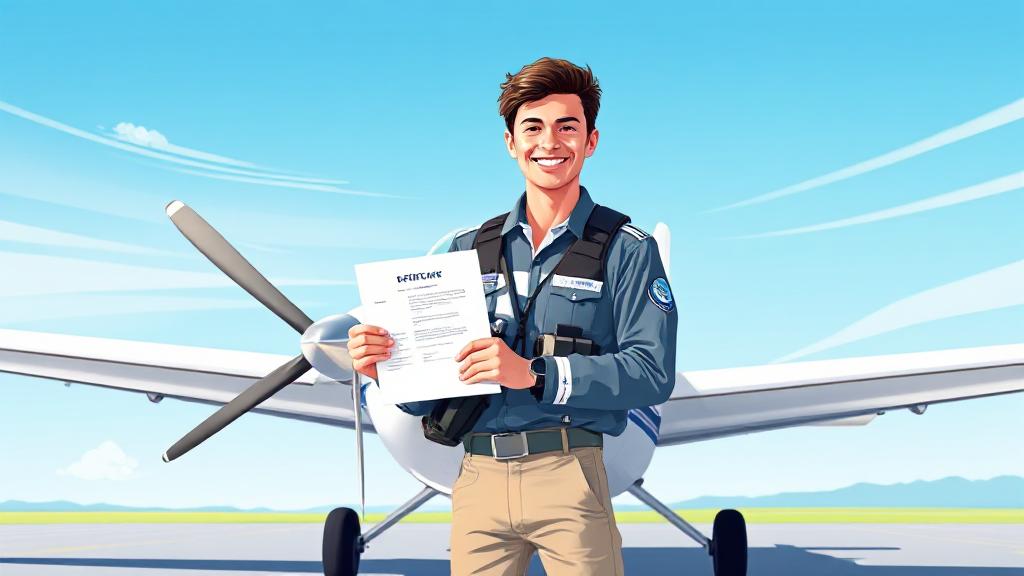
Obtaining a private pilot licence can significantly enhance one's career prospects in aviation.
By earning a private pilot licence, individuals can substantially boost their chances of selection for cadet pilot programmes, setting themselves apart from other applicants and taking a significant step towards a successful aviation career.
This strategic move can be a game-changer for aspiring pilots, offering a competitive edge in a demanding industry.
Ultimately, investing time and effort into obtaining a private pilot licence can lead to a rewarding and exciting career in aviation.
To become a commercial pilot in Singapore, one must adhere to the strict regulations set by the Civil Aviation Authority of Singapore (CAAS).
The process is intricate, involving various stakeholders: flight schools, instructors, and medical examiners, all of whom play a crucial role in ensuring that aspiring pilots meet the necessary standards to receive their commercial pilot licence.
A key aspect of the CAAS regulations is the minimum requirement of 250 hours of flight training, which includes at least 100 hours of pilot-in-command time and 50 hours of cross-country flight time.
The theoretical aspect is also crucial, with students learning about aviation laws, weather, and navigation — complex subjects that require dedication and perseverance.
In order to issue a commercial pilot licence, the CAAS must be satisfied that the applicant possesses the necessary knowledge, skills, and experience to operate an aircraft safely and efficiently.
The consequences of non-compliance can be severe, resulting in fines, licence suspension, or even revocation.
To navigate this complex regulatory landscape, it is essential to stay up-to-date with the latest CAAS requirements and guidelines.
Becoming a commercial pilot in Singapore is not as expensive as commonly perceived, with various flight training schools offering affordable options.
In fact, the cost of obtaining a commercial pilot licence can be managed with careful planning and research.
Many aspiring pilots have successfully navigated the process without breaking the bank.
In contrast, some countries have much higher fees for flight training, making Singapore a relatively affordable option.
The cost of obtaining a commercial pilot licence in Singapore can range from SGD 100,000 to SGD 200,000, depending on the flight school and training program chosen.
As Singapore's air hub continues to recover from the pandemic, the demand for commercial airline pilots is expected to increase, driven by the growing need for skilled aviators to operate the expanding fleet of aircraft.
The career prospects for commercial airline pilots in Singapore are promising, with opportunities for advancement and competitive remuneration packages.
However, the industry is also facing challenges such as pilot shortages and increasing regulatory requirements, which may impact the demand for new pilots.
To address these challenges, airlines and training institutions in Singapore are investing in pilot training programs and initiatives to attract and retain top talent.
The demand for commercial airline pilots in Singapore is on the rise.
The career prospects for commercial airline pilots in Singapore are expected to remain strong, driven by the country's strategic location and growing air travel demand.
As the demand for air travel continues to soar in Singapore, the importance of obtaining a Commercial Pilot Licence (CPL) cannot be overstated, echoing the significance of this credential in the initial pursuit of a career as an airline pilot.
With the city-state's aviation industry poised for growth, aspiring pilots who invest in their training and licensure will be well-positioned to capitalize on emerging opportunities.
As the next generation of pilots takes to the skies, they will carry the responsibility of ensuring the safety and efficiency of air travel, a profound obligation that underscores the value of rigorous training and licensure.
Ultimately, the CPL remains a badge of excellence, a testament to the hard work and dedication required to join the ranks of Singapore's elite airline pilots, and a launching point for a rewarding and challenging career in the skies.
