Imagine a grand symphony orchestra, where each musician plays a unique role in creating a harmonious masterpiece - this is similar to how the various components of a computer work together in perfect harmony to enable tasks to be performed efficiently.
The computer's central processing unit (CPU) serves as the brain of the computer, directing the flow of information and executing instructions.
Understanding the different parts of a computer, such as the motherboard, memory (RAM), storage drives, power supply, and graphics card, is essential to appreciating the remarkable technology that powers daily lives.
The intricate world of computer hardware is a complex tapestry, woven from various components that work in harmony to enable seamless computing experiences.
At its core, a computer's hardware is comprised of central processing units, memory modules, and storage devices, all of which play critical roles in executing tasks and storing data.
The very fabric of modern computing hangs in the balance of perfectly synchronized hardware components.
Processing power is the backbone of any computer system, determining its ability to handle complex tasks and applications.
Memory capacity directly impacts a computer's performance, with more memory allowing for smoother multitasking and reduced lag.
The storage device acts as the computer's repository, housing the operating system, programs, and data that bring the machine to life.
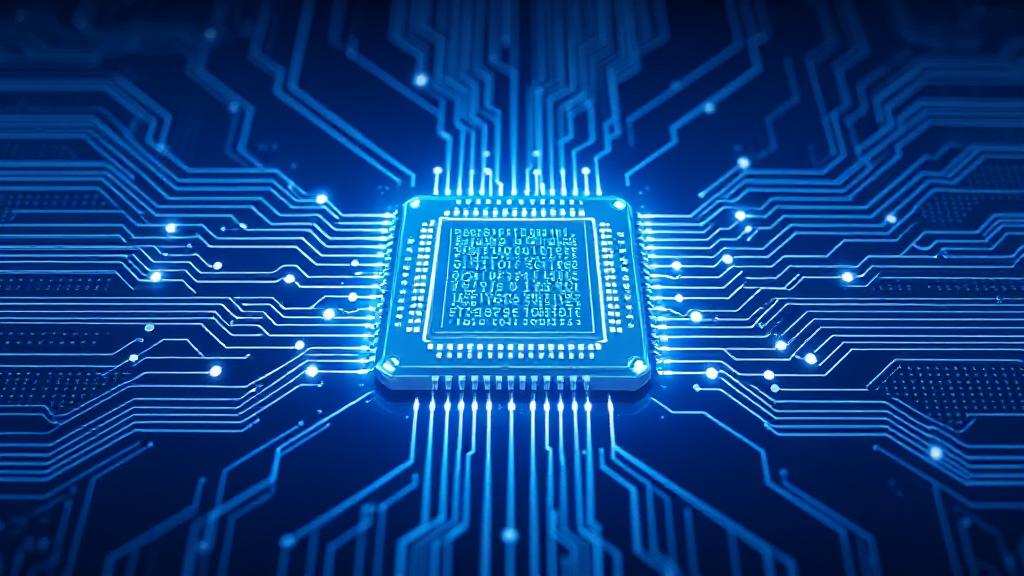
The Central Processing Unit (CPU) acts as the brain of the computer, handling tasks such as data processing, arithmetic operations, and controlling other components.
It is responsible for interpreting and carrying out instructions from the operating system and applications, making it a vital component of the computer's overall performance.
The CPU plays a crucial role in executing instructions and calculations, and its performance has a significant impact on the computer's overall speed and efficiency.
The motherboard's connectivity options play a crucial role in determining the overall performance and upgradability of a PC, with factors such as CPU compatibility, RAM capacity, and input/output device support all being critical considerations.
A well-designed motherboard with ample connectivity options can provide a significant boost to a PC's overall performance and functionality, making it an essential component to consider when building or upgrading a PC.
The motherboard's connectivity options also impact the user experience, with features such as USB ports, audio jacks, and Ethernet connectors providing convenient connections for peripherals and networking.
Random Access Memory (RAM) serves as a high-speed, temporary storage solution, allowing for faster data access and processing.
This volatile memory technology acts as a middleman between a computer's permanent storage and its processing unit, the CPU, facilitating the efficient execution of tasks by providing quick access to frequently used data.
The more RAM a computer has, the more applications and tasks it can handle simultaneously, making it an essential component of modern computing.
Both hard disk drives (HDDs) and solid state drives (SSDs) are popular options for permanent data storage solutions, each with their own set of advantages and disadvantages.
HDDs offer high storage capacity at a lower cost per GB, making them a great choice for storing large amounts of data.
However, they are more prone to mechanical failure and have slower read and write speeds compared to SSDs.
SSDs have become increasingly popular in recent years due to their fast read and write speeds, low power consumption, and high reliability.
They are ideal for applications that require quick access to data, such as operating systems, programs, and frequently used files.
Understanding power supply unit conversion processes is crucial to ensure stable computer operation.
Managing power supply units requires regular maintenance and monitoring.
Converting voltage levels to match system requirements is essential.
Optimizing power efficiency to reduce heat generation and prolong component lifespan is also critical.
Selecting the right power supply unit for specific computer configurations is vital.
Upgrading power supply units to handle increased power demands is necessary.
Troubleshooting common power supply unit issues to prevent system downtime is also important.
The Graphics Card Controllers play a crucial role in display output and graphics processing capabilities, handling complex graphics and video rendering tasks with ease.
The multitude of features, including support for multiple displays, high-resolution graphics, and fast frame rates, make them an essential component of any gaming or graphics-intensive computer system.
The key to unlocking unparalleled graphics processing capabilities lies in the controller's ability to efficiently manage memory and data transfer.
The best computer case is not just about aesthetics, but rather a delicate balance of form and function.
A well-designed case can significantly impact the overall performance and longevity of the system.
Proper cable management and material selection are critical considerations.
A thoughtfully chosen case can make all the difference, as seen in high-performance gaming rigs where optimal airflow and cable routing are crucial.
Gaining hands-on experience with computer hardware troubleshooting and upgrading techniques is essential for any IT professional.
This experience can be acquired through various means, including online courses, workshops, and hands-on practice with different types of hardware.
Staying up-to-date with the latest advancements in computer hardware and troubleshooting methods is crucial.
Practical experience with computer hardware is essential for developing the skills and knowledge needed to troubleshoot and upgrade complex systems efficiently.
Each component plays a vital role in the overall functioning of the system, much like the intricate pieces of a puzzle coming together to form a complete picture.
The journey to understanding computer hardware components and their functions is a continuous one, with new technologies and innovations emerging every day.
With this foundation of knowledge, users can now explore the vast expanse of computer hardware, from upgrading their own systems to designing and building custom rigs.
The ability to learn about and adapt to new computer hardware components and their functions will be essential for staying ahead in the ever-evolving digital landscape.
It all starts with a solid understanding of the basics.
