Can a split-second decision be the difference between victory and defeat in the gaming world?
Just like a Formula 1 driver needs lightning-quick reflexes to navigate a challenging track, gamers require rapid reaction times to outmaneuver opponents and dominate in their favorite games.
Reaction time is the unsung hero of gaming skills, often overlooked but crucial for success.
Imagine reaction time as a high-performance sports car - with regular tuning and practice, it can go from 0 to 60 in record time, leaving opponents in the dust.
By improving reaction time, gamers can gain a competitive edge, making them a more formidable opponent in the gaming arena.
Improving reaction time is crucial for gamers to gain a competitive edge, as it enables them to respond quickly to in-game situations and make split-second decisions that can mean the difference between victory and defeat.
By incorporating specific training exercises and strategies into their practice routine, gamers can enhance their reaction time and overall performance.
The clock is ticking, and every millisecond counts in the high-stakes world of competitive gaming.
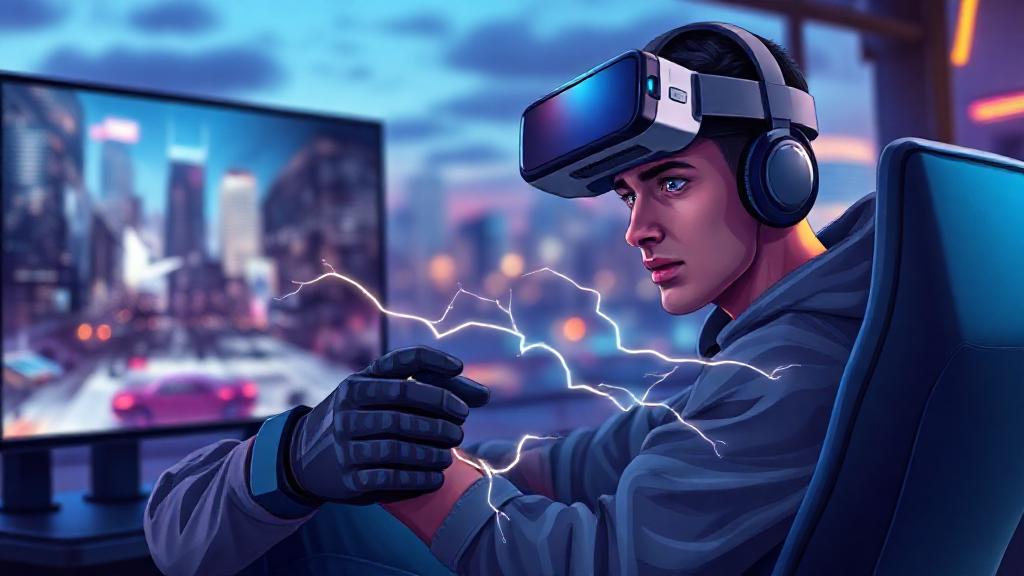
Imagine being in the middle of a high-stakes gaming tournament, and the character's life depends on swift reaction to an opponent's attack.
With hours of practice, reflexes can feel sluggish, costing precious milliseconds.
As a gamer, it is understood that quick reflexes are crucial in professional gaming, where split-second decisions can make all the difference between victory and defeat.
Having faster reflexes enables gamers to respond promptly to in-game situations, such as dodging attacks or seizing opportunities to strike back.
This skill is honed through dedication, consistent practice, and a thorough understanding of the game mechanics.
In the fast-paced world of first-person shooter (FPS) games, reaction time can be significantly slower when navigating complex maps with multiple enemies and obstacles.
Stimulus complexity plays a crucial role in determining reaction time, and understanding this relationship can help gamers optimize their gameplay and improve their chances of winning.
Stimulus complexity can be broken down into several factors, including visual and auditory cues, which can either facilitate or hinder reaction time.
The presence of multiple stimuli, such as enemy movements, sound effects, and visual distractions, can increase the cognitive load on gamers, leading to slower reaction times.
Engaging in action video game training can be a highly effective way to enhance reaction time, as it challenges players to process information quickly and make swift decisions.
This type of training can improve the brain's ability to filter out distractions, focus on relevant information, and respond rapidly to changing situations.
Research has shown that action video game players exhibit faster and more accurate reaction times compared to non-players.
The benefits of action video game training can also extend beyond the virtual world, transferring to real-life situations that require quick thinking and rapid response.
Reaction time tests are a great way to assess cognitive abilities, particularly in terms of speed and accuracy.
These tests typically involve responding to visual or auditory stimuli as quickly as possible, with the goal of completing the task in the shortest time possible.
By using online reaction time tests, individuals can track their progress over time and identify areas for improvement.
This information can be used to set achievable goals and develop strategies for enhancing reaction time.
Improving gaming skills requires a holistic approach beyond just playing one game.
Gaming performance is closely tied to reaction time, which can be affected by various factors.
Sleep deprivation — a common issue among gamers — can significantly impair cognitive function: attention, memory, and decision-making skills are all impacted.
Hydration levels also play a crucial role in maintaining focus and reacting quickly to in-game situations.
Reaction time is measured in milliseconds, and even the slightest delay can be the difference between winning and losing: a well-hydrated gamer can respond faster and make split-second decisions with ease, whereas a dehydrated one may struggle to keep up.
High mouse DPI settings do not necessarily translate to better gaming performance, as they can often lead to less accuracy and more difficulty in aiming.
In fact, many professional gamers prefer lower DPI settings.
A lower DPI setting can provide more precision and control, allowing gamers to make more accurate shots and movements.
Playing action games can lead to enhanced cognitive abilities, particularly in terms of reaction time, as the brain is trained to process information quickly and make swift decisions.
This improvement can be attributed to the game's ability to challenge the player's visual attention and spatial awareness, ultimately leading to increased neural plasticity and faster neural connections.
The relationship between action games and reaction time is complex, involving multiple cognitive factors, including attention, perception, and decision-making.
As gamers continue to hone their reaction time, they will likely find themselves anticipating and responding to in-game situations with increased speed and accuracy.
With consistent practice and dedication, the improvements made will ultimately translate to a more immersive and enjoyable gaming experience.
The quest to improve reaction time is an ongoing journey, one that requires persistence, patience, and a willingness to continuously push oneself to new heights.
As gamers embark on this path, they must remember that every millisecond counts, and the difference between victory and defeat can be as simple as a lightning-quick reflex.
