The thrill of ripping open a fresh pack of Pokémon cards can be intoxicating, like a siren's call, luring collectors in with the possibility of landing a coveted Charizard or Pikachu.
Yet, for many, this excitement can quickly turn into a costly habit, with some collectors spending hundreds, even thousands, of dollars chasing the elusive "perfect" collection.
As the bills pile up and the guilt sets in, it's time to ask: how do collectors break free from the cycle of constantly buying Pokémon packs and develop a more mindful approach to their hobby?
By acknowledging the emotional drivers behind purchasing decisions and implementing a few strategic techniques, collectors can learn to stop buying Pokémon packs and cultivate a healthier relationship with their collection.
The thrill of opening a new Pokémon pack can be exhilarating, but for some, it can lead to a cycle of overspending and disappointment.
As the bills pile up and the wallet dwindles, the excitement turns to anxiety, highlighting the need for a strategic approach to collecting.
With the right mindset and techniques, it's possible to break free from the addiction and build a satisfying collection without breaking the bank.
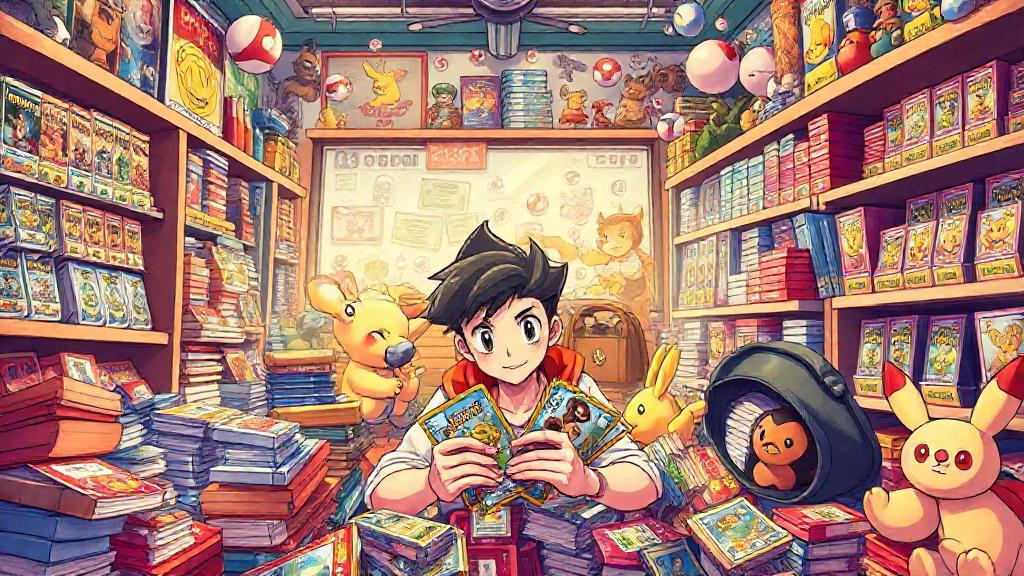
Collectors might wonder what drives their compulsion to buy more Pokémon cards.
It's likely a combination of factors, including the thrill of the hunt, the joy of collecting, and the fear of missing out on rare items.
Perhaps collectors are also influenced by social media, where they see other collectors showcasing their impressive collections, making them feel like they need to keep up.
Collectors are not alone in this struggle, and recognizing the psychological forces behind their behavior is the first step towards a more mindful and balanced approach to collecting.
As a Pokémon Trading Card Game enthusiast, one can find themselves constantly tempted by online booster pack deals, leading to a significant dent in their wallet and a cluttered collection of duplicate cards.
By implementing a 30-day waiting period for non-essential purchases and setting a budget for their hobby, collectors can resist the temptation of buying booster packs on a whim.
They can also start focusing on completing specific sets rather than chasing every new release.
To develop self-control when shopping online for Pokémon booster packs, it's essential to remove stored payment methods and disable one-click purchasing options, making it more difficult to make impulsive buys.
Setting a budget and tracking expenses is a crucial step in reducing Pokémon pack spending.
A well-planned budget serves as a map, guiding collectors through the complex landscape of Pokémon expenses, helping to identify areas where costs can be cut back and resources can be allocated more efficiently.
By monitoring expenses, collectors can develop a clearer understanding of their spending habits, making it easier to make informed decisions and adjust their strategy to achieve their goals.

For individuals looking to move beyond their Pokémon card collecting obsessions, there are several alternative hobbies that can provide a similar sense of excitement and community.
Collecting sports cards or stamps can offer a similar thrill of the hunt and allow collectors to connect with others who share their interests.
By exploring these alternative hobbies, individuals can discover new passions and interests that can help them grow and develop as people.
Staying on track with a budget requires discipline in the face of enticing advertisements.
Stopping cold turkey can be a daunting task.
It's the emotional attachment — the thrill of possibly getting a rare card — that makes it difficult to quit.
The first step is to acknowledge the problem and take responsibility for actions.
A journey of self-discovery — to understand why collectors are so drawn to buying these packs — is necessary.
Is it the collectibility or the potential value?
Because honestly, who needs that many duplicate cards anyway...
It's a process that requires patience, self-awareness, and a willingness to change habits: slowly but surely, collectors can develop the self-control and discipline needed to stop buying Pokémon packs cold turkey.
The idea that buying Pokémon packs is a harmless hobby is misleading, as it can lead to financial troubles for some individuals.
Many people struggle with controlling their spending on these packs, and it's not just about the money.
The emotional attachment and anticipation of rare cards can be overwhelming.
In contrast, some collectors are able to purchase packs responsibly and within their means, enjoying the thrill of the hunt without breaking the bank.
Building a robust support system is crucial for individuals struggling with Pokémon card collecting addiction.
It provides a foundation for accountability, guidance, and encouragement throughout the recovery process.
The support system can take many forms, including therapy sessions, support groups, and online forums.
By surrounding themselves with positive influences and supportive networks, individuals can gain a deeper understanding of their addiction and develop the skills and strategies necessary to overcome it.
As collectors work to overcome their addiction, they must also be mindful of the potential triggers and pitfalls that can lead to relapse.
The true joy of the Pokémon universe lies not in the thrill of the hunt for rare cards, but in the connections collectors make with others who share their passion.
The allure of a newly opened pack, with its promise of surprise and excitement, will undoubtedly remain strong, but by taking control of spending habits, collectors can rediscover the simple pleasures of collecting and trading with friends.
With each deliberate purchase, collectors are not just buying cards – they are investing in the memories and experiences that make the Pokémon community so vibrant.
As collectors look to the future, they might ask themselves: what other adventures await them in the world of Pokémon, once they've broken free from the cycle of impulse buying?
Their Pokémon journey continues, with a renewed sense of purpose and a wallet that's a little bit wiser.
