Singapore’s warm, humid climate is perfect for brewing fermented teas like pu'er and kombucha. This guide explores the essentials of fermentation, SCOBY care, and local ingredients to help you craft delicious brews at home.
Whether you’re drawn to the earthiness of aged pu'er or the tang of homemade kombucha, you’ll find practical advice tailored to Singapore’s unique conditions.
Expect clear step-by-step instructions, common troubleshooting solutions, and tips to refine your technique.
Start your fermented tea journey today.
Defining your fermentation goals is essential before brewing. Are you aiming for a probiotic-rich kombucha or an aged pu-erh?
Your objective determines the ingredients and technique required.
Consider Singapore’s local ingredients.
Tropical fruits like mango or herbs like pandan can introduce unique flavors that reflect the region. Using these can make your brew truly Singaporean.
Assess your available time and equipment. Fermentation can span one to four weeks, so plan accordingly.
Be realistic about your commitment.
Also, decide on your preferred sweetness and acidity levels.
By detailing these aspects upfront, you avoid common mistakes and enjoy better results.

To kickstart your journey, begin by researching Singapore's two primary fermented tea options—pu'er and kombucha—as each offers a unique flavor profile and specific brewing needs.
Visit speciality tea shops and health food stores across Singapore to sample these teas. Online forums and local tea communities also provide valuable insights. This groundwork helps you choose a fermented tea that matches your palate and lifestyle.
Fermented tea offers distinct advantages over ordinary tea bags. Here are the key differences.
Consider your preferences to choose the right tea for your lifestyle.
Selecting a fermented tea guide for Singapore requires a focus on local climate and resources. The best guides offer specific, practical features.
A guide covering these features ensures consistent, reliable brewing success.
Setting up the right foundation for fermented tea brewing in Singapore starts with gathering essential supplies and preparing the correct environment. Ensure you have these core components:
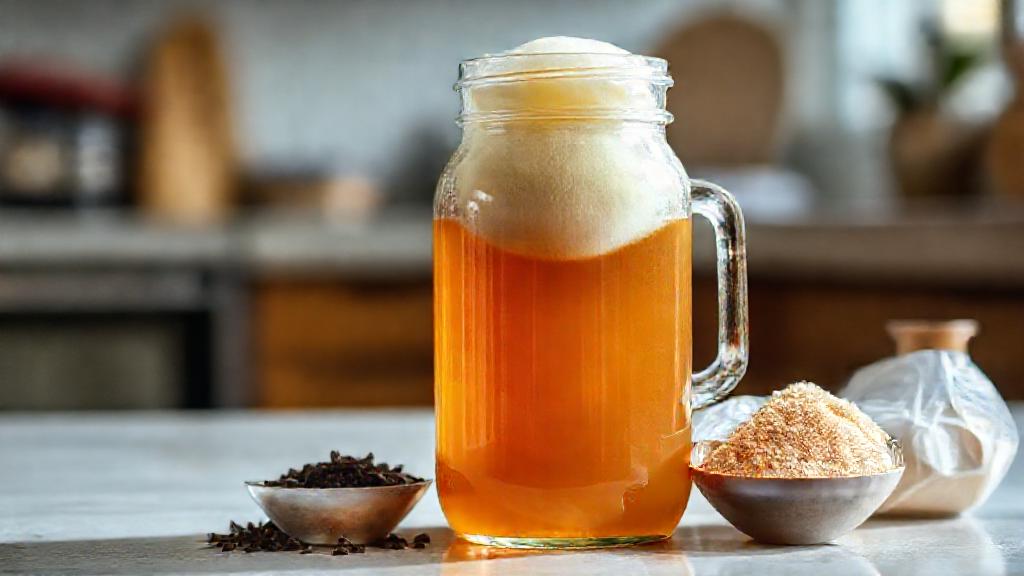
Place the vessel in a shaded spot with stable temperatures around 26°C, avoiding direct sunlight. Monitor fermentation regularly and adjust conditions as needed. This careful preparation helps your SCOBY thrive and produces consistently delicious fermented tea, forming the bedrock of a successful brewing journey.
To elevate your home-brewed fermented tea results in Singapore, focus on these core techniques.
These proven methods will help you produce a vibrant, delicious, and safe fermented tea every batch.

Even experienced home brewers in Singapore can stumble when making fermented tea. Avoiding these typical mistakes will improve your results.
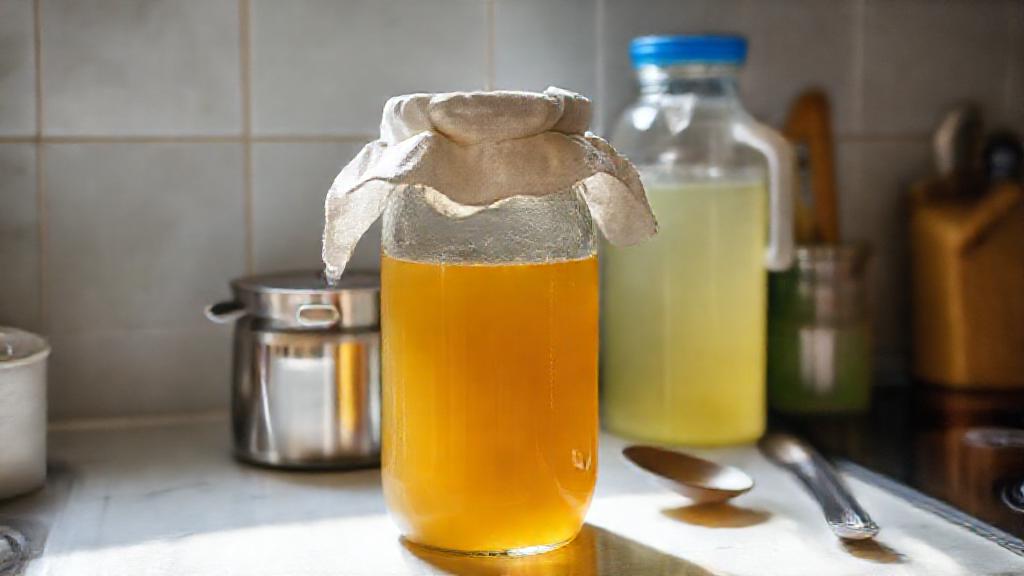
By staying mindful of these common errors, you’ll enjoy consistently delicious and healthy fermented tea.
To measure progress, track your kombucha's pH and taste at each fermentation stage. A pH meter or strips gives precise readings, while your palate detects subtle changes.
Adjust your brewing strategy based on these data points. If fermentation stalls, move the jar to a warmer spot.
If it turns too vinegary, bottle earlier next time. Singapore's tropical climate accelerates the process, so shorten your standard timeline.
Keep a brew journal to document each batch. Include tea type, sugar quantity, fermentation duration, and final flavour notes.
Use this log to troubleshoot issues and perfect your personal recipe.
Ready to deepen your expertise? Try these advanced techniques tailored for Singapore brewers.
Each method refines your process and connects you to Singapore’s thriving tea community.
Even experienced brewers face issues with fermented tea in Singapore's tropical climate.
You have now completed the full journey through fermented tea brewing in Singapore. You learned to understand requirements, research options, and compare features for a solid foundation.
Proven techniques and common mistakes were covered, along with measuring progress and adjusting strategy.
Troubleshooting tips equip you to handle any fermentation issues.
Now take your skills higher by experimenting with local flavours and sharing your creations. Start brewing today and enjoy your perfect cup.
Fermented teas offer distinct caffeine levels that suit different lifestyles. Pu'er and kombucha vary significantly in their stimulant content.
Consider your caffeine sensitivity when selecting your brew. Evening drinkers often prefer the lower caffeine of kombucha.
